
The Horror Mansion Killer Behavior Patterns
Identify how a threat moves, then pick the right counter before the round ends.
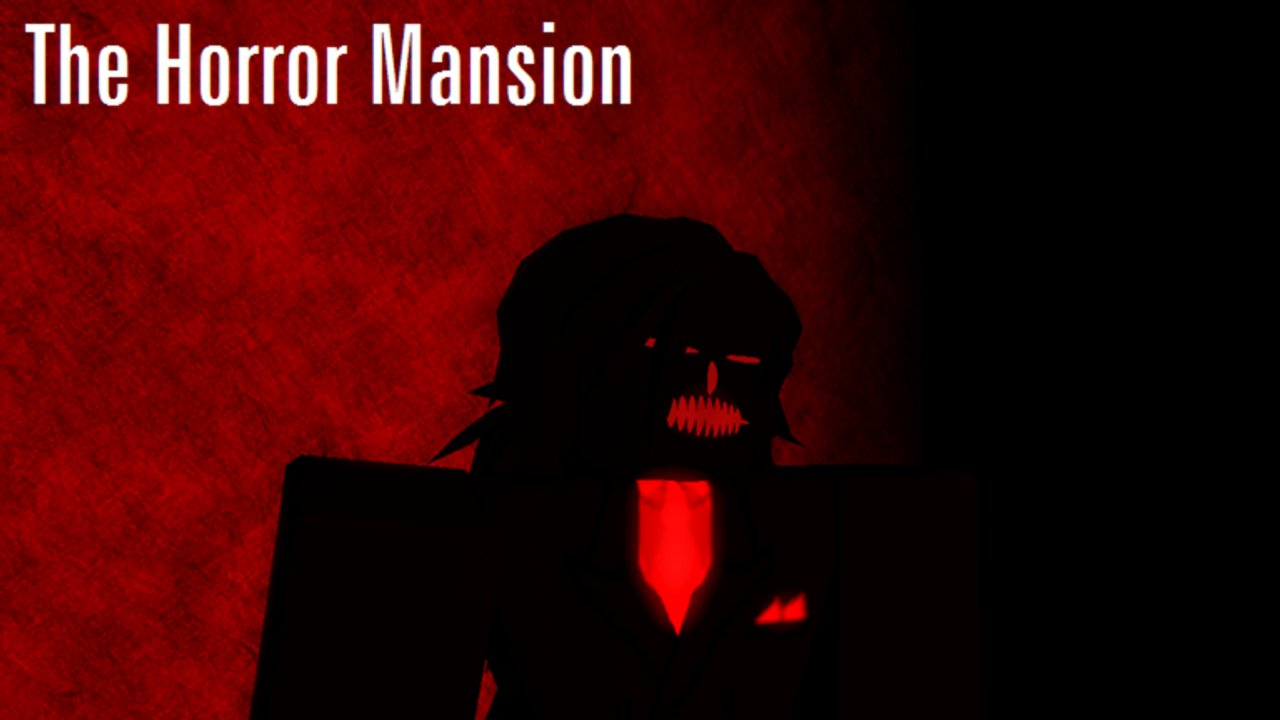
Surviving The Horror Mansion is less about memorizing every community model and more about reading behavior in the first few seconds. Killers rotate each round inside the same mansion layout, so pattern recognition beats name trivia. This guide maps the common AI families, explains why computer-lab desks break so many pathfinders, and uses Necrobloxicon as a chase-and-swing case study—watch the embedded video mid-article, then apply the checklist below.
Behavior families at a glance
Straight chase
Classic chase killers pick the nearest survivor and pursue with physical swings or contact damage. Necrobloxicon fits here: a dark free-model figure with the Necrobloxicon hat, crimson eyes, and a Darkheart-style sword that laughs while closing distance. Against chase kits, keep corners between you and the threat, avoid dead-end rooms unless you plan to climb, and kite toward furniture you already tested.
Teleport / glitch hop
Killers like ANGER44 (and similar static or error-themed models) skip normal pathing. Expect loud static, dramatic appear sounds, and sudden kills near the closest target. Furniture still helps sometimes, but do not assume a desk is a full safe zone—reposition the moment audio spikes.
Noclip / wall ignore
Limbless-style threats phase through walls and glass after a short spawn grace. Climbing loses value when collision no longer matters. Your counters become wide sightlines, early sprints, and refusing to hide in rooms that only protect against grounded AI.
Spread / multi-threat comedy
Some killers spin, flood the hallway, or play bass-boosted tracks while attacking rapidly—Slendytubbies Face is a famous example. Treat them as area denial: leave the occupied corridor, do not tunnel-vision the model, and use side rooms only if the AI cannot squeeze the doorway cleanly.
SCP-style and unsettling variants
Community SCP-inspired killers and sequel-only twisted models may mix chase with unique audio or hitbox quirks. When unsure, default to the Killers Hub triage: identify movement, test one climb, then abandon the exploit if the AI noclips or teleports onto you.
Case study: Necrobloxicon chase loop
Necrobloxicon (sometimes called Necrobloxian in older notes) is a useful mid-difficulty teacher. It announces itself with evil laughter, locks onto the nearest player, and swings until the lobby is empty. Forcefield tools can make it ignore you until the shield drops—useful for learning timing, not a permanent crutch. After you watch the video, practice these steps:
- On spawn audio, identify nearest furniture and the computer lab route.
- Do not fight in the open center; pull the chase into a hallway with climbable props.
- Mount a desk or cabinet and check whether pathfinding stalls.
- If the sword still reaches, drop and circle another prop rather than camping one pixel.
- After the round, compare notes with Notable Killers and Beginner Threats.
Why the mansion breaks so much AI
The map is small: hallways, a computer lab packed with desks and cabinets, bathrooms, kitchen, storage, and cramped doorframes. Many objects lack invisible barriers, so players can stand on top. Grounded chase AIs often path into the furniture, get stuck, or refuse to enter a room until you leave. That is the comedy half of the genre—and the reason Safe Zones matter.
Exploits fail when:
- The killer noclips (Limbless-class).
- The killer teleports onto the nearest target (ANGER44-class).
- The hitbox is huge enough to clip your perch.
- You exit the room and “wake” a confused AI that then corners you.
Audio and visual tells
Train yourself to listen before you look. Static beds and glitch stingers often mean teleport threats. Loud laughter or sword whooshes suggest physical chase. Bass remixes and spinning faces scream comedy spread killers. Shadowy slow pursuers may be Umbra-like—read Umbra for that specific cadence.
Round checklist
- Hear spawn cue → classify family.
- Decide: kite, climb, or open-field sprint.
- Test one perch once; do not spam jumps that reveal you.
- If two teammates die instantly, assume noclip/teleport and abandon soft safes.
- After death, jot whether furniture worked so your personal tier list stays honest—cross-check Hardest Killers.
Cross-links for practice
Pair this page with Getting Started, the Guides Hub, Codes, Scripts, and Tools. Behavior literacy plus map literacy is what turns a chaotic round into a readable one—even when the killer pool is 200+ deep.
Frequently Asked Questions
Quick answers to the most common questions.
What is the fastest way to classify a new killer?
Watch movement for three seconds: grounded chase, teleport hops, or wall noclip. Then test one climb. That triage covers most of the 200+ community roster.
Why use Necrobloxicon as a behavior case study?
It is a clear chase-and-swing killer with loud audio, readable pathing, and furniture interactions—ideal for learning before you face noclip threats like Limbless.
Do computer lab desks work every round?
They work against many grounded AIs, but teleport, noclip, and oversized hitboxes can still kill you on a perch. Always have an exit path.
Where should I go after learning behaviors?
Read Notable Killers for named examples, Umbra for a dedicated chase profile, then Beginner Threats and Hardest Killers to rank what you practiced.
Does the sequel change behavior families?
Families stay similar, but The HORROR Mansion sequel emphasizes unsettling presentations. Compare tones on Original vs Sequel under Updates.